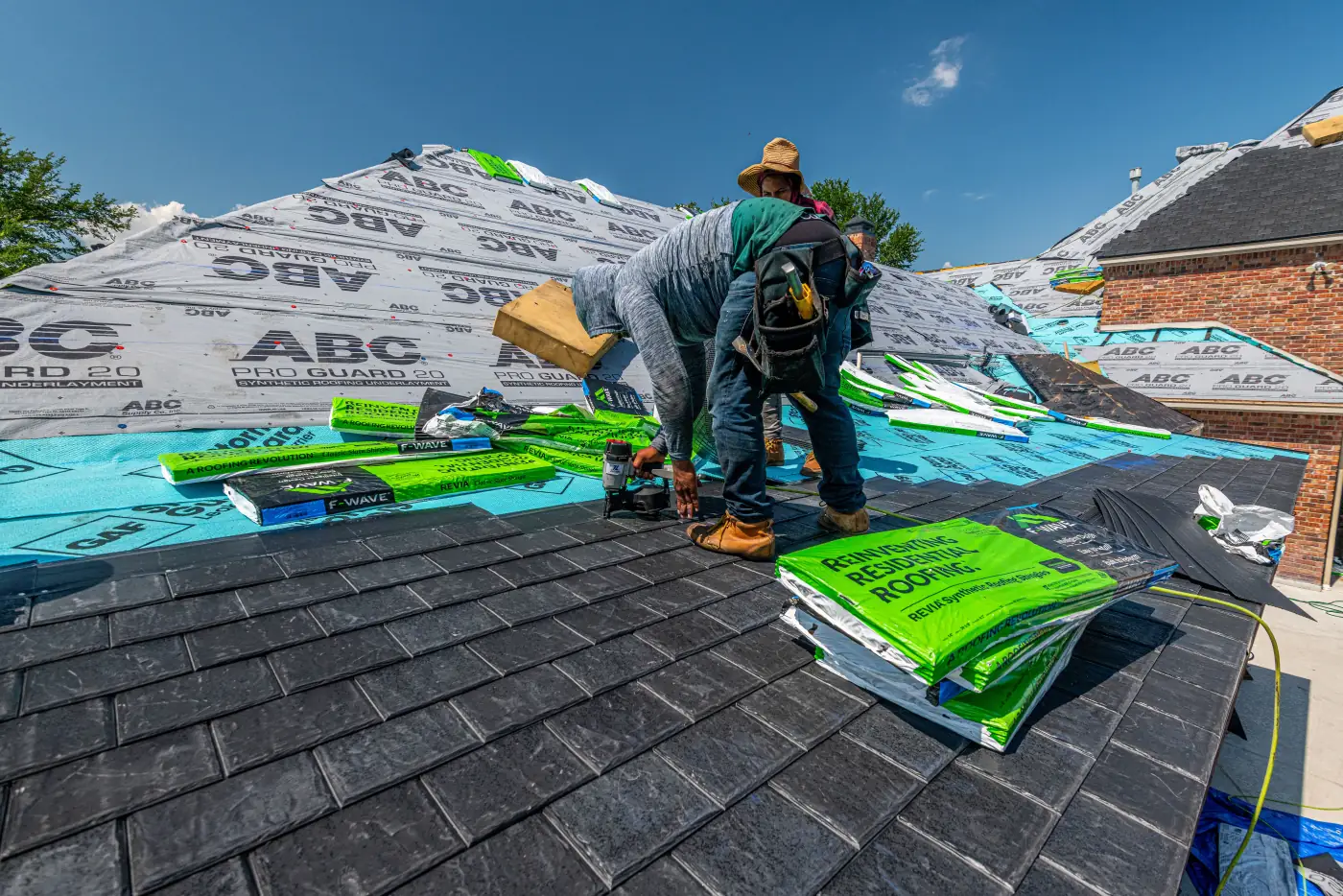
Commercial contractor SEO pages should exist because they answer a meaningful buyer question, not because an agency found a keyword variation. A strong site may need capability, sector, project, region, careers, and company pages—but not dozens of thin pages with slightly different headings.
The best page plan connects search intent to real business priorities and available proof.
Key Takeaways
- Build pages around capabilities, sectors, projects, regions, careers, and company information that matter to real audiences.
- A page should have a distinct purpose, not simply repeat another page with a new keyword.
- Create location pages only where the company has real operations, projects, or service information.
- Project pages are often the strongest proof pages when they contain unique details.
- Not every keyword deserves a dedicated URL.
- Review pages by leads, referrals, recruiting, search visibility, and maintenance effort.
Commercial contractor SEO pages: start with buyer needs
The page types that usually matter
Capability pages
These explain what your company does and how it delivers the work. Examples include construction management, design-build, preconstruction, concrete, excavation, or specialized installation.
Sector pages
These explain how your work applies to industrial, healthcare, education, infrastructure, multi-family, retail, or institutional projects.
Project pages
These demonstrate experience. They should include distinct facts, role, scope, scale, delivery method, and context.
Regional pages
These make geographic coverage clear when the company genuinely operates in a region and can provide local proof.
Careers pages
These support recruitment for trades, project staff, apprentices, and office roles.
Company and capability pages
These validate the brand, team, credentials, service regions, and business-development path.
Decide whether a page deserves its own URL
A page is usually worth building when: the audience is distinct; the search intent is different; the company has relevant proof; the page can say something specific; the page supports a business priority; the content can be maintained; a clear next step exists.
A page may not be worth building when: it repeats another page; the company has no evidence for the claim; the keyword is only a slight variation; the page would be a list of generic statements; nobody will maintain it; the audience does not represent a meaningful opportunity.
Build a page around a decision
Each page should help someone decide something.
A capability page helps decide whether your company can perform the work. A sector page helps decide whether you understand the environment. A project page helps decide whether your experience is relevant. A careers page helps decide whether to apply.
Write the page around that decision instead of writing around a keyword.
Use proof to determine depth
A sector page with ten relevant projects, experienced team members, and specific process information can support a detailed page. A sector page with no proof may need to remain a section until the company has a defensible reason to promote it.
Do not confuse page length with authority. A focused page with real evidence is stronger than a long page filled with generic adjectives.
When to combine pages
Combine pages when: the audiences are the same; the services are purchased together; the proof is identical; the only difference is a keyword variant; separate pages would create repetition; the business is not large enough to maintain the separation.
For example, “commercial contractor website design” and “commercial construction website design” may not require separate pages if they serve the same buyer and service. Use the better page structure and natural language within it.
A practical page inventory
A commercial contractor may begin with: homepage; company; capabilities; priority sectors; projects; safety and quality; careers; regions; contact; service pages.
Then expand based on real questions and proof.
Connect pages internally
Internal links should help both visitors and search systems move through the site: sector pages link to relevant projects; projects link to capabilities; capabilities link to contact; careers link to project and team context; regional pages link to work completed in the region; company pages link to credentials and team information.
Use descriptive anchor text naturally. Do not force the same exact phrase into every link.
Measure the pages after launch
Review: organic impressions; clicks; engagement; form activity; phone clicks; assisted conversions; sales feedback; recruitment activity; maintenance effort.
A page that receives little search traffic may still be valuable if sales teams share it during qualification.
+## Build pages when each one earns a distinct job
The useful question is not how many pages a commercial contractor should publish. It is whether each proposed page answers a question that another page cannot answer as well. If a sector page, service page, and project page all repeat the same introduction with a city name swapped in, the site gains volume without gaining meaning. Visitors see the sameness quickly, and search engines have little reason to treat the pages as separate resources.
A strong content plan starts with the company’s evidence. List the services it performs, the sectors it understands, the regions where it has a defensible presence, and the projects that can be described with approval. Then identify the questions a buyer asks at each point: What do you do? Have you done this kind of project? How do you work? Can you operate in this region? Who can provide qualification information? Each page should take responsibility for one of those questions and link to the proof that supports it.
For example, a healthcare-sector page may explain experience in occupied facilities and lead to relevant projects. A construction-management page may explain the delivery model and lead to a capability statement. A regional page may establish a genuine operating footprint and point to work, teams, or service details in that area. These pages can reinforce each other without becoming duplicates because they are built around different decisions.
Resist the temptation to create pages simply because a keyword tool produces a phrase. Search demand is useful only when the company can answer the implied question credibly. Publishing a thin page for a service the business rarely performs can attract the wrong inquiries and make the overall site less trustworthy.
The page count should grow from this editorial logic. A smaller library of specific, linked, maintained pages is more valuable than a large set of near-identical landing pages that no one internally can keep current.


