
Commercial
General Contractor Websites
Prequalification-first. Capability statement, bonding, safety record, delivery methods and trade recruitment.
Industries
A home builder and an industrial mechanical contractor are not running the same business. One sells to families over eighteen months. The other gets shortlisted by a procurement desk in eleven minutes. Same trade, opposite websites.
Six sectors
The split that matters is not residential versus commercial. It is whether your website exists to generate leads or to survive scrutiny — and a few sectors have to do both at once.
Commercial
Prequalification-first. Capability statement, bonding, safety record, delivery methods and trade recruitment.
Commercial
Institutional credibility. Sector pages, project value bands, named clients, ESG and safety reporting.
Commercial + residential
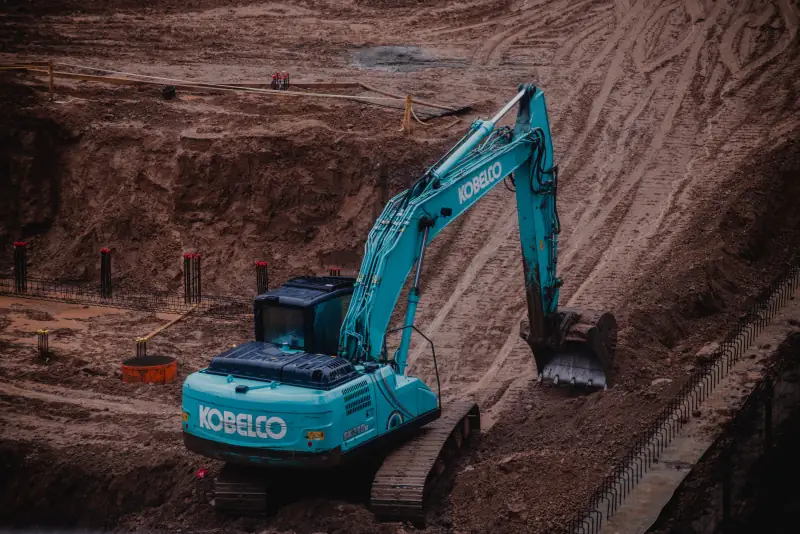
Equipment fleet as credibility. Capacity and scheduling signals, split commercial and residential pathways.
Residential
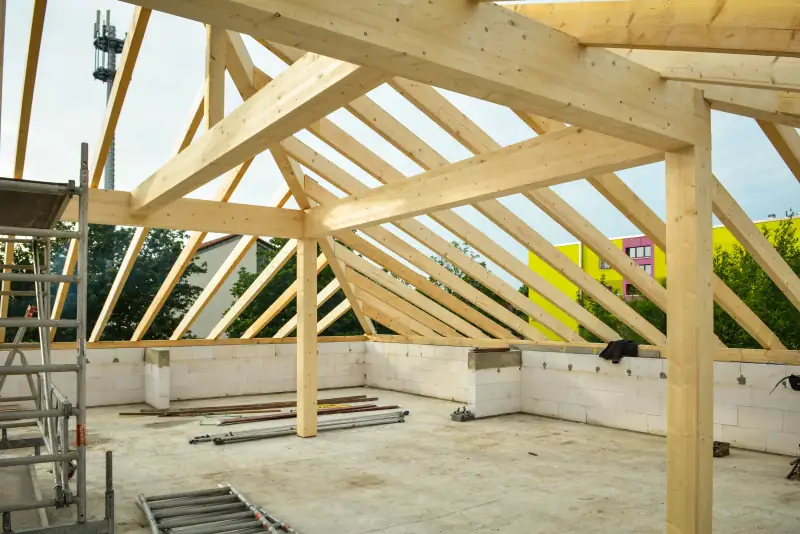
A long consideration cycle. Model and floorplan libraries, community pages, spec versus custom pathways, warranty transparency.
Residential
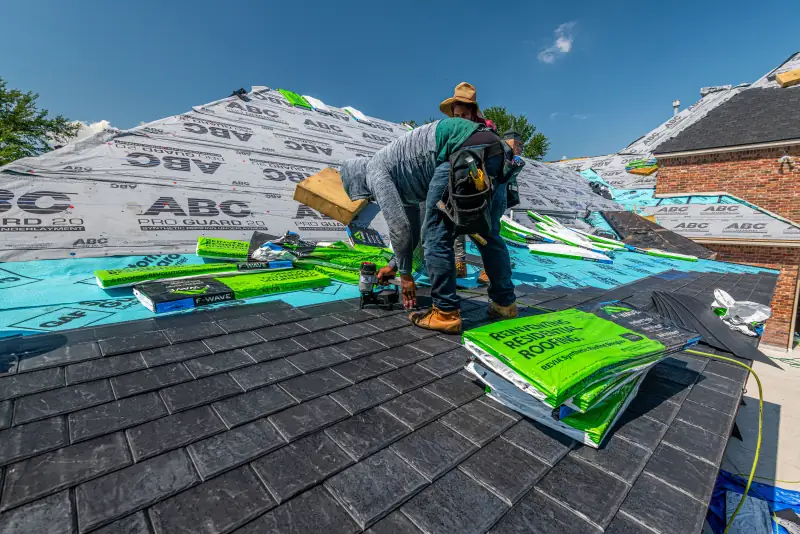
The highest-intent local search in construction. Storm response, insurance claims, financing, manufacturer certifications.
Residential
Before-and-after is the entire conversion mechanism. Budget transparency to filter tire-kickers, trust-heavy for in-home work.
Credibility buyers
Your website is read by people deciding whether to let you bid, and by trades deciding whether to apply. Almost nobody arrives ready to buy. The job is to remove doubt fast: capability, certification, bonding, safety record, named project experience, and a careers path that works.
Lead-generation buyers
Your website is a lead engine and local search is the whole game. Map pack position, service-area coverage, review velocity, quote forms with real qualifying fields, and evidence — before and after, warranties, financing — that closes the gap between interested and booked.
Do not see yours?
Mechanical and HVAC · Electrical · Plumbing · Restoration and remediation · Landscaping and hardscaping · Paving and asphalt · Framing · Drywall · Fencing and decking · Solar · Civil and heavy construction · Millwork and cabinetry
The distinction that drives the build is the buyer and the project type, not the trade name. If you install mechanical systems on institutional projects, your website has far more in common with a general contractor’s than with a residential HVAC company’s.
Ask about your sectorBoth, and the site needs to split cleanly rather than blur. Usually that means two distinct entry paths from the homepage, separate service trees, and different conversion mechanisms — a quote form on one side, a capability profile on the other.
Yes. A home builder needs a floorplan library and community pages. A general contractor needs a capability statement and a subcontractor path. Those are different information architectures, not different colour schemes.
It changes who you are persuading. Your buyer is a general contractor's estimator or purchasing agent, which makes prequalification platform profiles, safety statistics and scope clarity more important than anything aimed at owners.
Yes, across Canada. Certification displays get adjusted by province — COR administration and WCB equivalents differ — and service-area architecture is built around where you actually hold licences.
The library
Construction SEO
Learn how contractors can structure Google Ads campaigns, choose keywords, manage budgets, and track qualified construction leads with confidence.
Maintenance
Build a practical construction lead scoring system to rank, route, and follow up on website leads in your CRM using fit, intent, and behaviour.
Construction SEO
Learn how contractors can connect website leads to won projects with CRM data, call tracking, GA4, and practical attribution workflows.
The free audit is read against your sector rather than a generic checklist — a roofing site and a GC site fail in completely different ways.